Teaching AI by Showing, Not Telling: Claude Cowork's New Chapter
With Claude Cowork's new "Record a skill" feature, you can teach AI a task by recording your screen and narrating as you go. We look at how it works and the Skills architecture behind it.
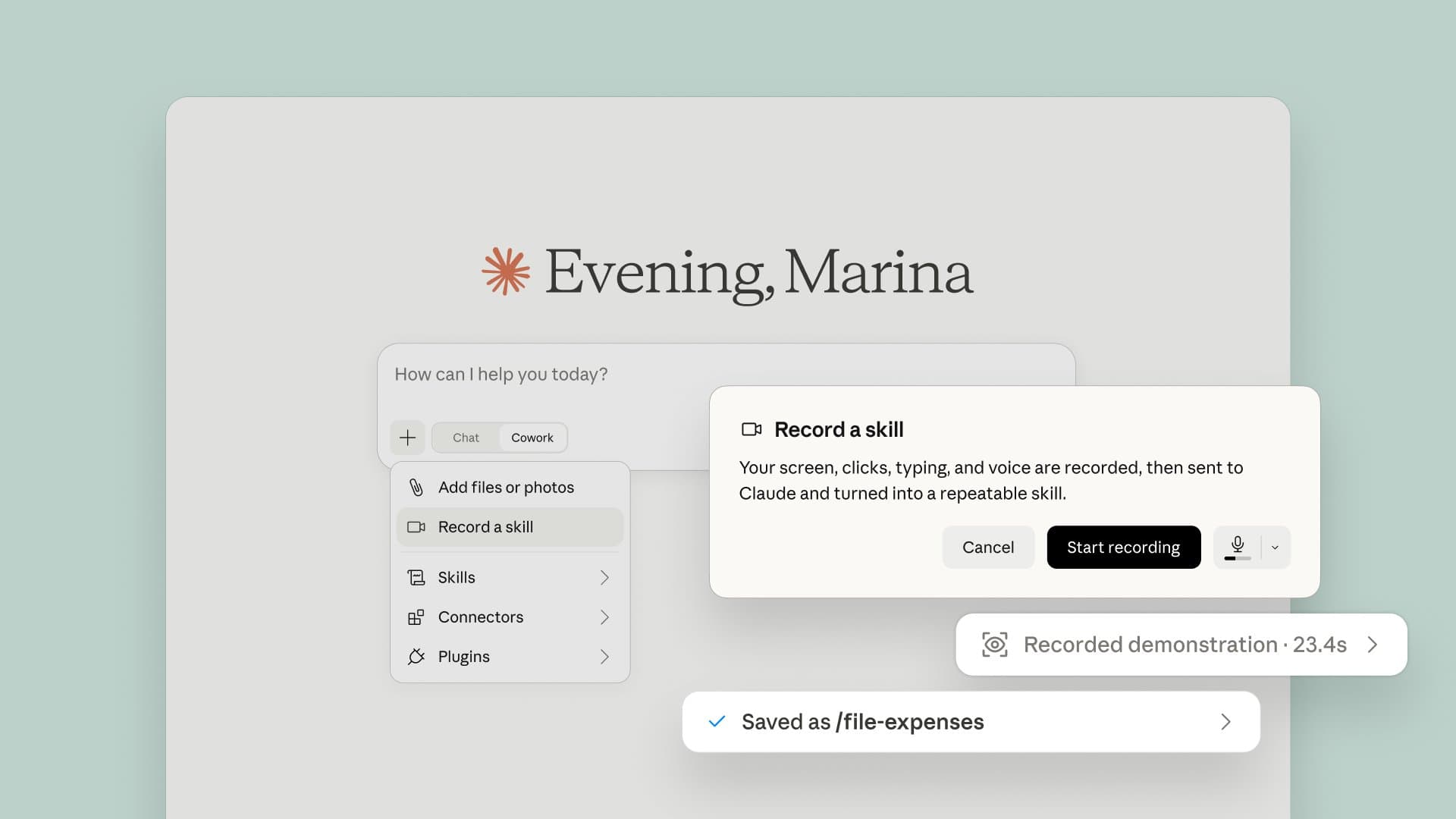
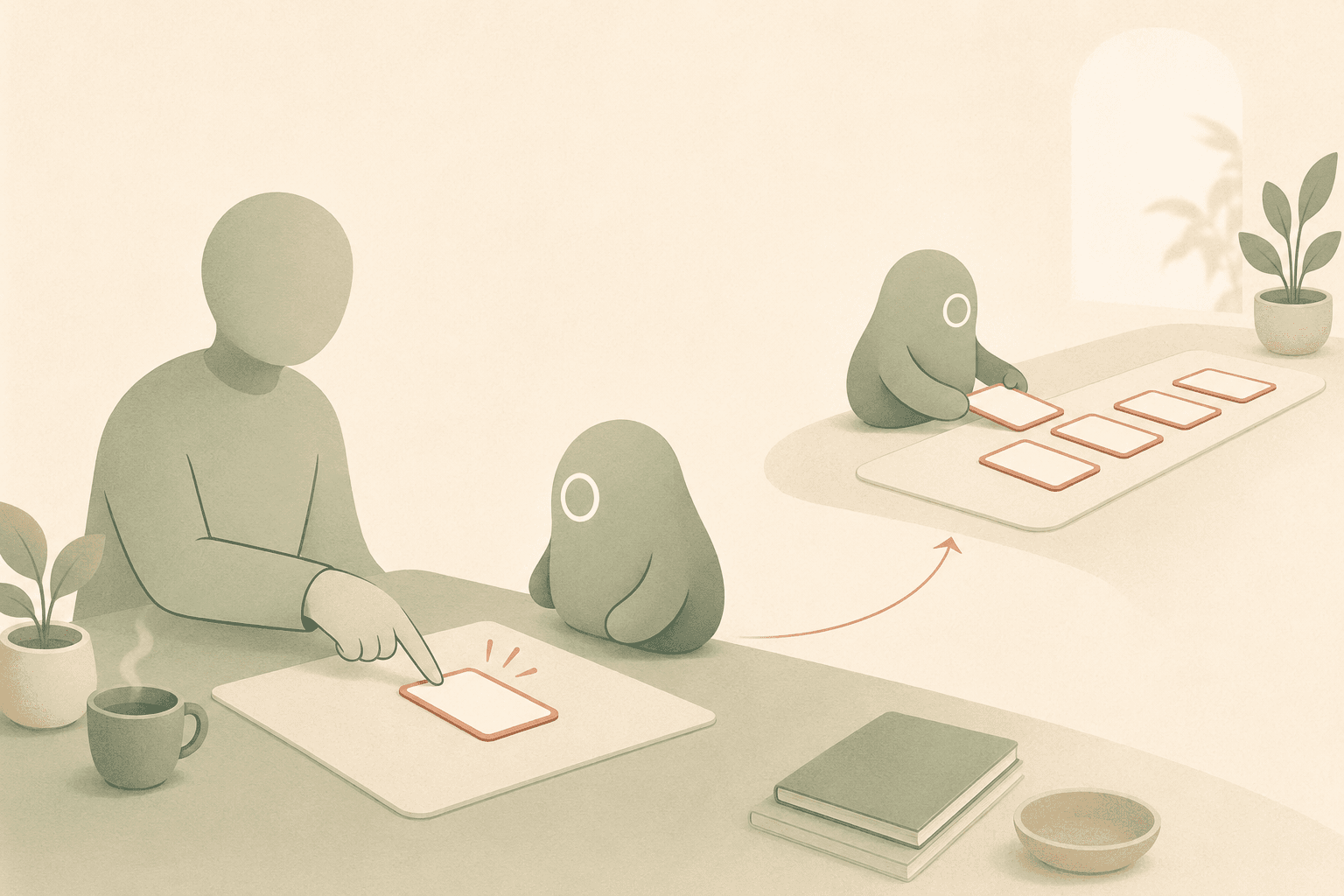
One of the biggest points of friction in working with AI tools has always been how we describe what we want. A user who wanted to automate a task had to write long, meticulous prompts, set up a separate integration for every application, or dig through technical documentation. The new feature Anthropic has added to Claude Cowork flips this equation: you can now teach AI a task by showing it, much the way you would explain something to a new employee on their first day.
What does the feature do?
Called "Record a skill," the feature lives under the plus (+) menu in the desktop app. The logic is simple: the user starts a recording session, performs the task they want to teach step by step on their screen, and narrates what they are doing out loud as they go. Claude captures this demonstration on several layers in the background — screen movements, mouse clicks, keyboard input, and the full voice narration are all recorded. The system then turns this raw demonstration into a structured, repeatable "skill" definition.
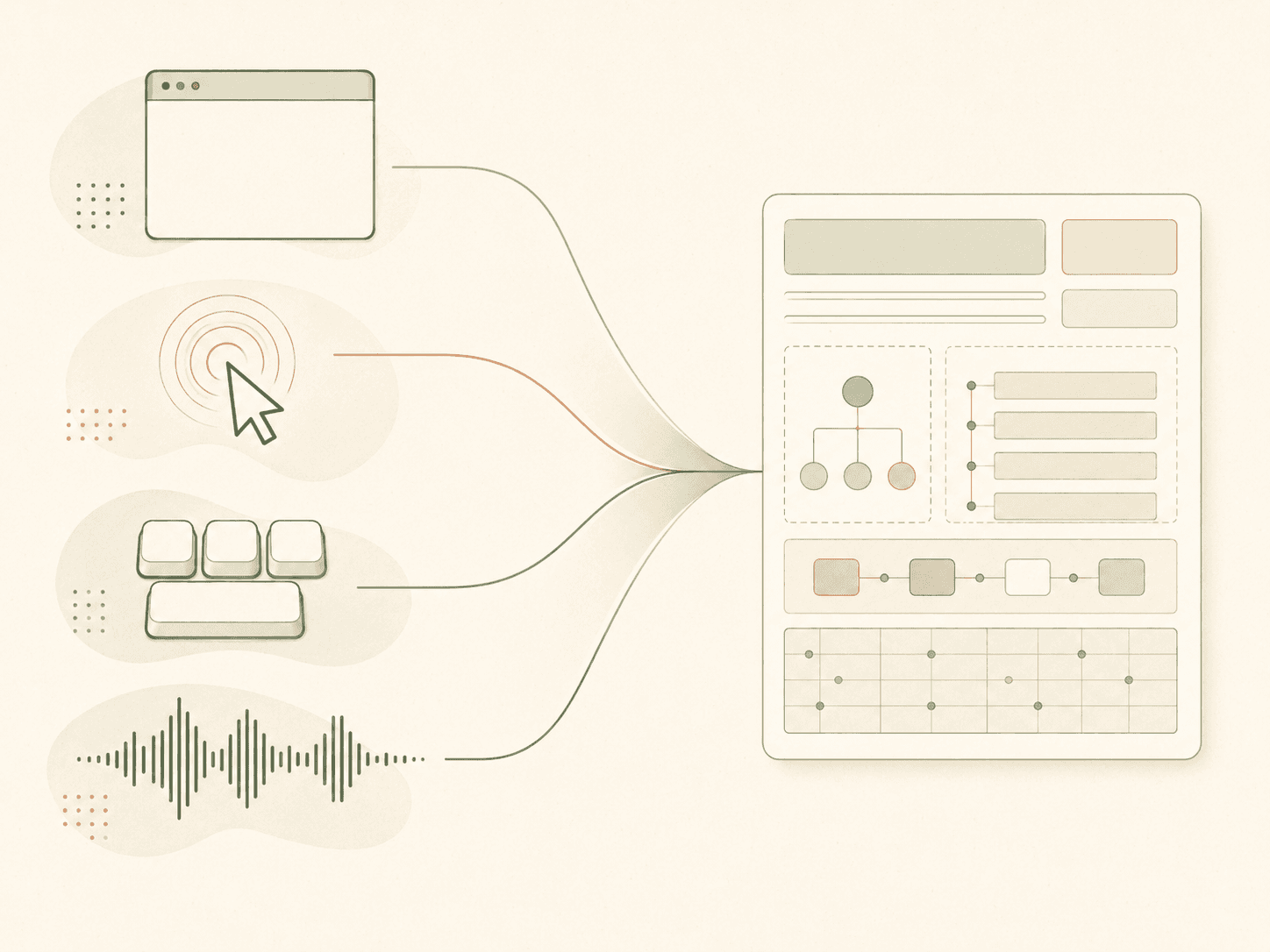
The result is not a one-off automation. The next time the same task comes up, instead of repeating the steps from scratch, the user can simply run the saved skill. The feature is currently available on the Pro, Max, and Team plans.
The architecture behind it: Skills
This feature should be read not as a standalone novelty but as a natural extension of the "Skills" infrastructure Anthropic has been building for some time. At their core, Skills are folders — made up of instructions, scripts, and resource files — that teach Claude how to perform a specific task. They are used across a wide range, from producing documents that follow a company's brand guidelines to running data analysis with a team's own methodology.
The technically notable aspect of the Skills architecture is its "progressive disclosure" approach. A high-level definition of each skill sits ready in the system; Claude only loads the full details of a skill into memory when it is genuinely relevant to the task at hand. This way, the model effectively "knows" dozens of skills at once without cluttering its context window with unnecessary load — speed and expertise are preserved at the same time. Skills are also composable and portable: Claude can stack multiple skills together, and a skill created once works the same way across the Claude apps, Claude Code, and the API.
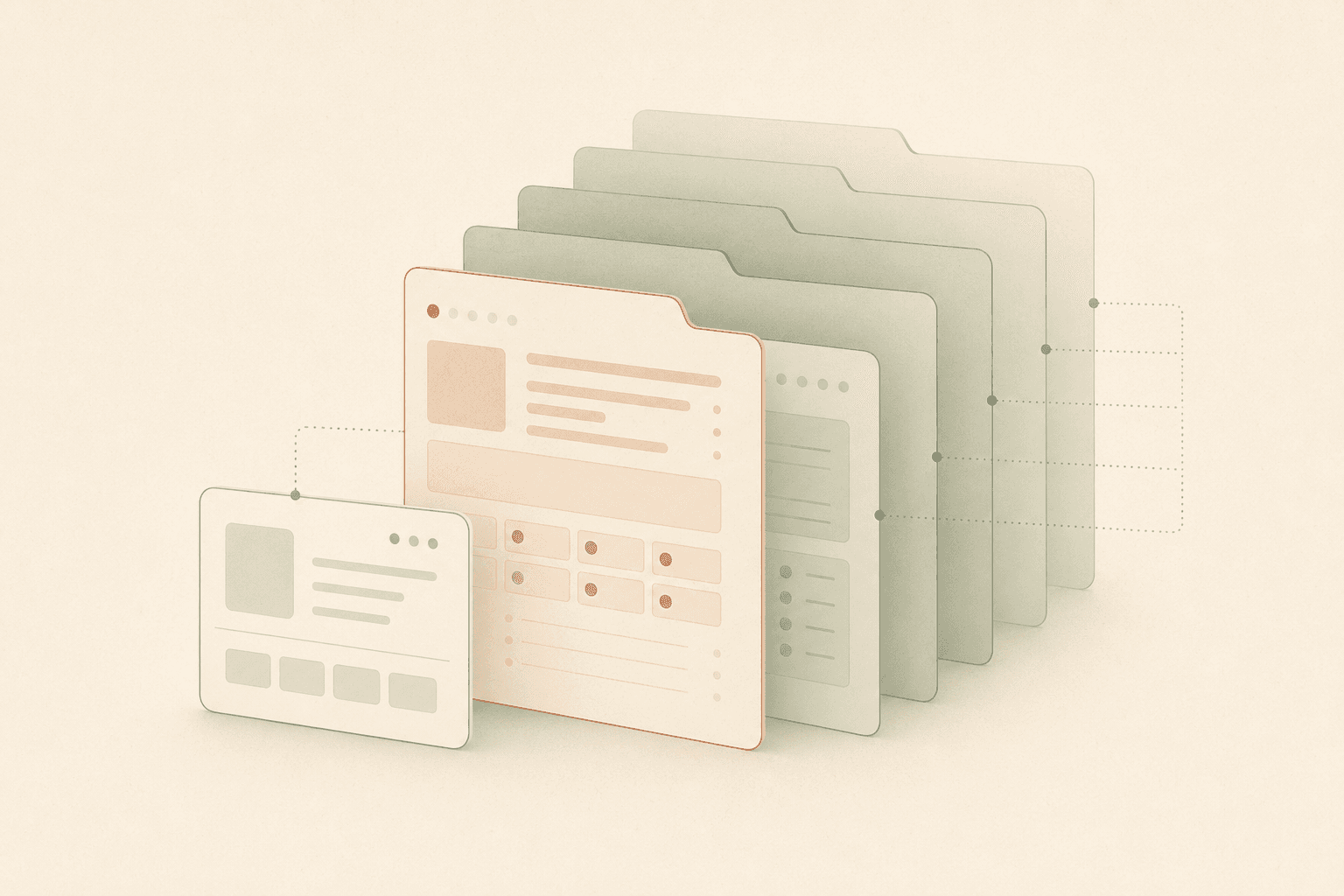
The real difference "Record a skill" brings is that creating these skill folders no longer requires editing files or writing instructions. It is enough for the user to perform the task they already know, once; the model derives the technical definition itself.
Why does it matter?
This step gives concrete form to a long-running trend toward simplification in the way humans and AI communicate. For a long time, for a model to be able to "talk" to an application, you needed integrations, plugins, and connectors specific to that application. With Computer Use, which Anthropic introduced in late 2024, the model began looking directly at the screen and interpreting what was happening. "Record a skill" is the next stop on this line: the model no longer merely reads the screen — it turns a process shown on screen into a lasting capability. In other words, integration is increasingly being replaced by demonstration.
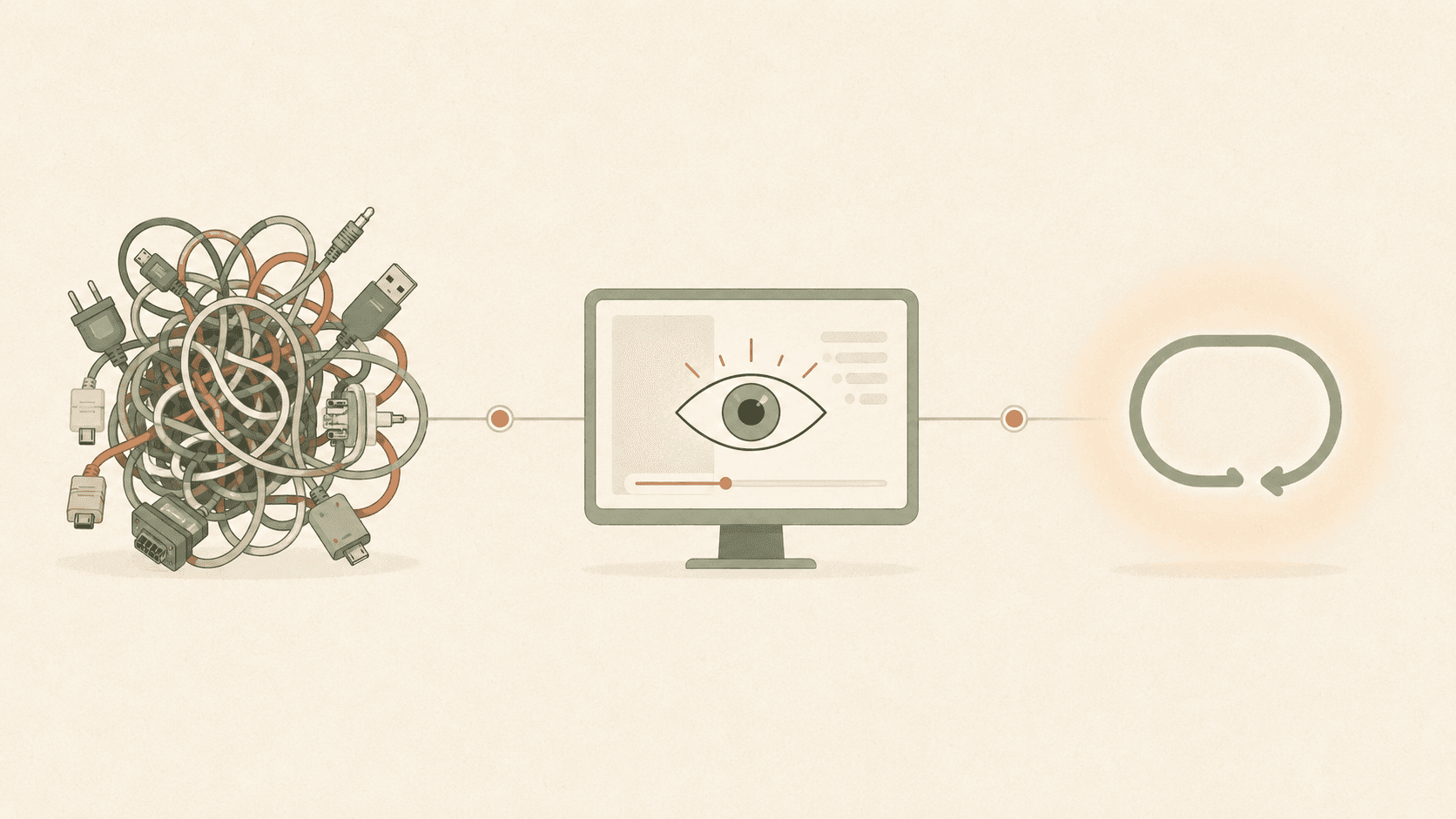
The practical benefits can be grouped under a few headings. First, a lower technical barrier: automation that used to require writing code or knowing an API becomes something the person who already does the work can reach. Second, capturing institutional knowledge: the "this is how we prepare this report" knowledge in an employee's head turns into a reusable asset with a single demonstration and can be shared across the team. Third, scalable delegation: once taught, repetitive tasks can run without constant human intervention.
Competitively, it is not a lone move either; OpenAI's Codex tool offers a similar capability that records workflows and turns them into reusable skills. That is a strong signal of the direction the field is heading.
Conclusion
On the surface, "Record a skill" may look like a small interface add-on, but it is really part of a deeper shift in how we use AI. Instead of describing the model's task all over again each time, we are moving toward showing a task we already know, once, and delegating it. In the period ahead, the real question is likely to be not "how do I explain this to AI?" but "which of my tasks is worth showing it?"
The next step is simple: pick a task you repeat, show it once, and leave the rest to Claude.
---
Sources: Anthropic's official announcement and technical documentation; The Decoder, Cybersecurity News, and related industry coverage (July 2026). Plan terms and feature scope may change, so refer to Anthropic's official pages for the most current information.